Hardware Solutions: Card Readers and POS Devices
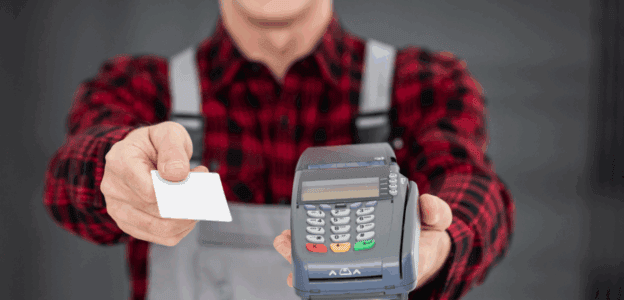
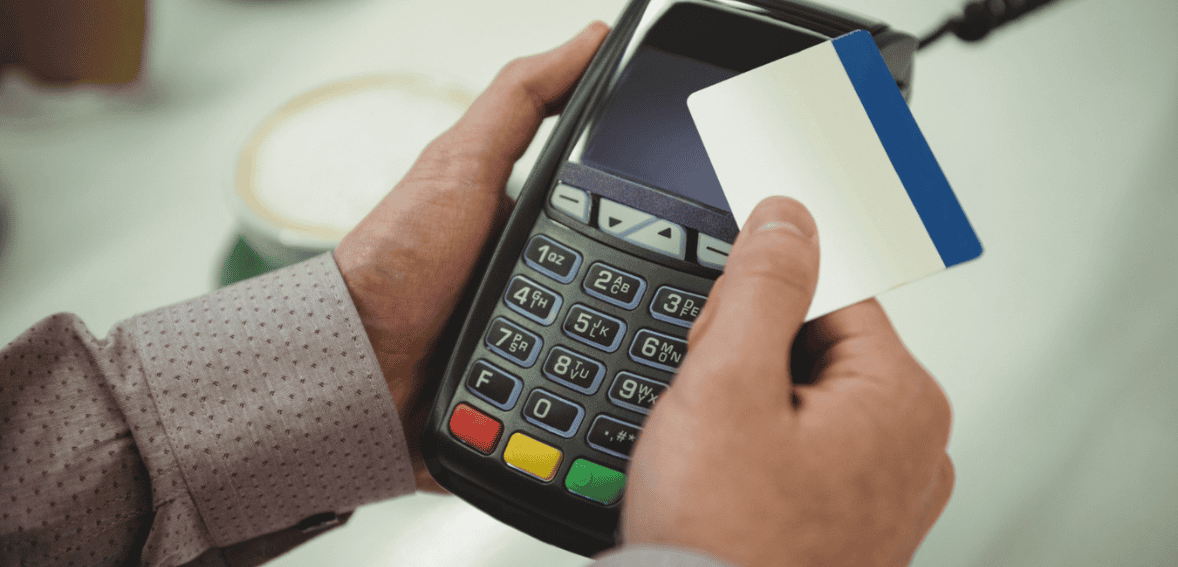
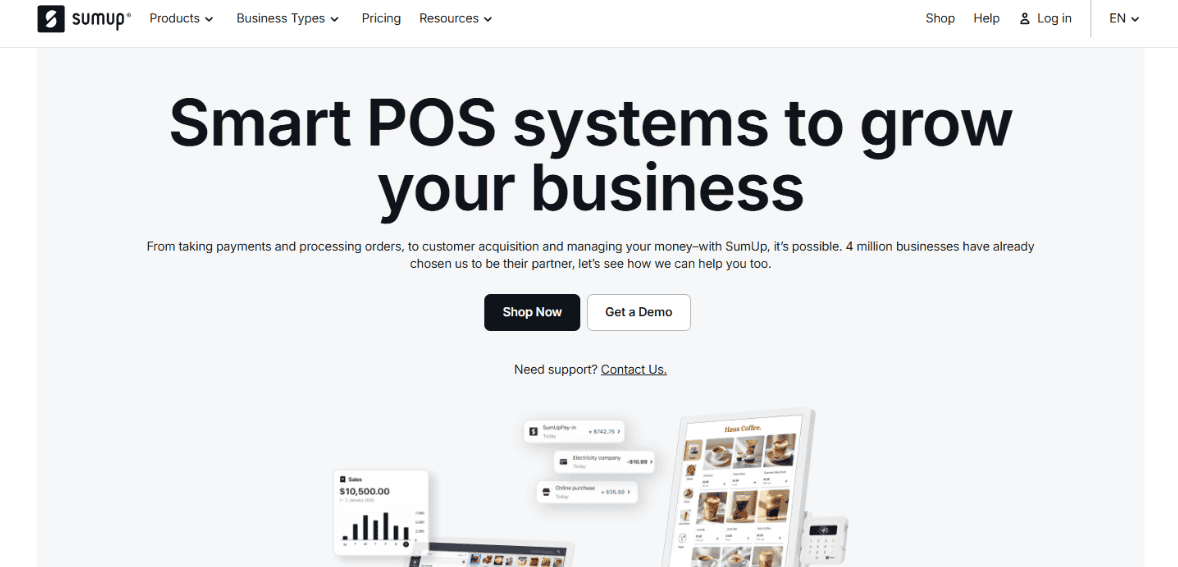
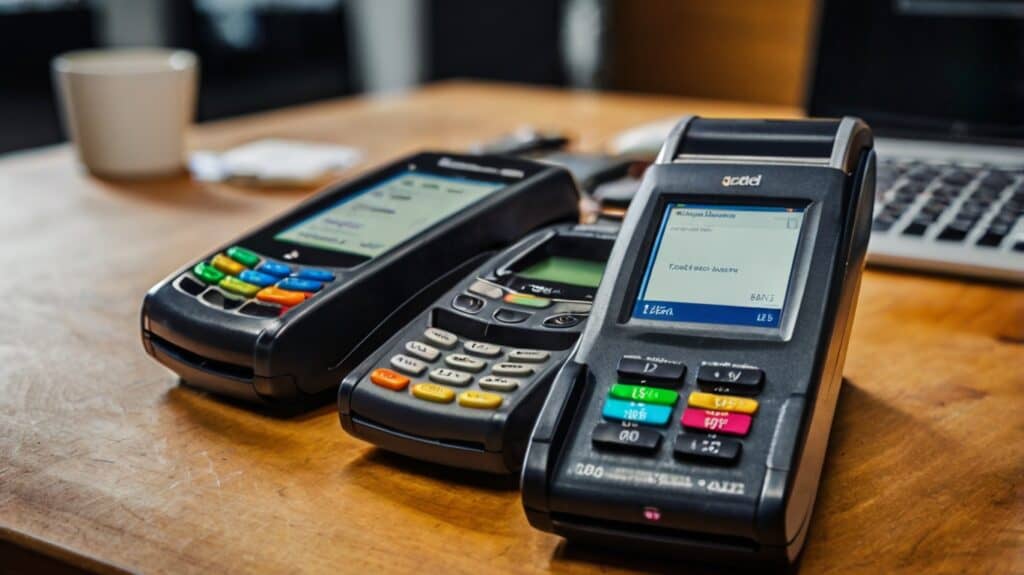
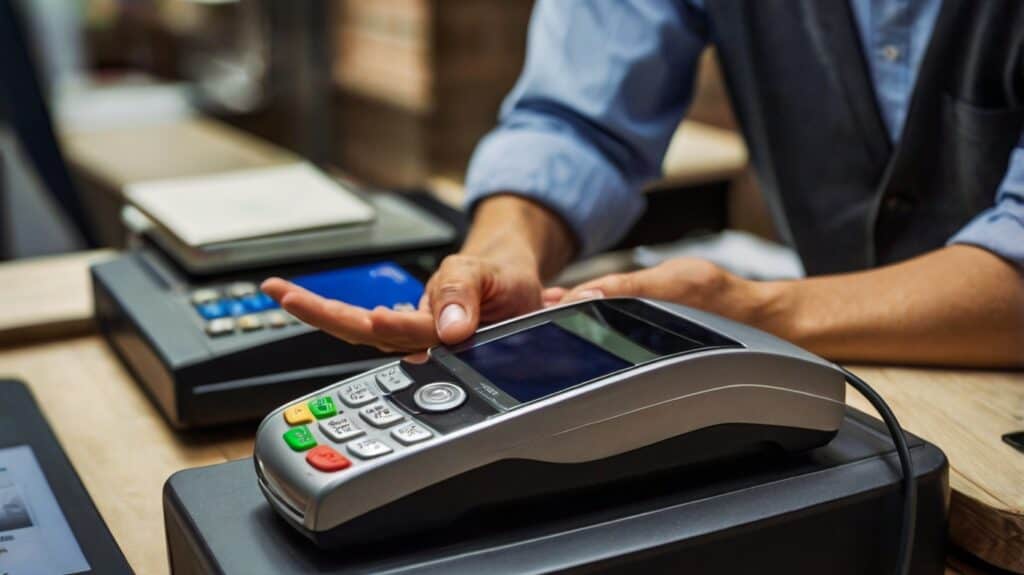
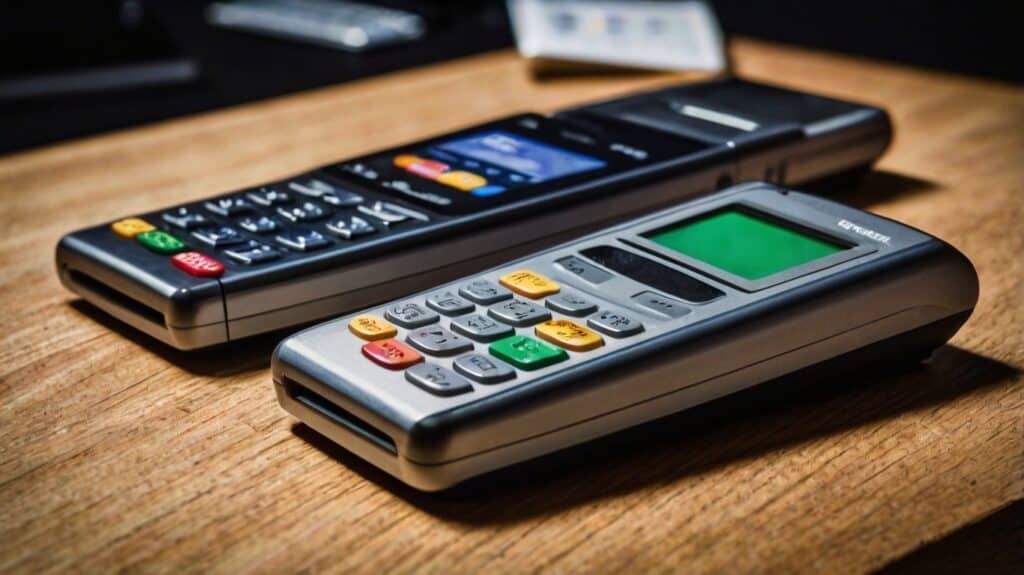
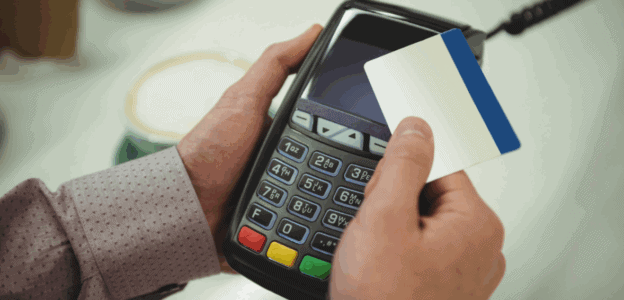
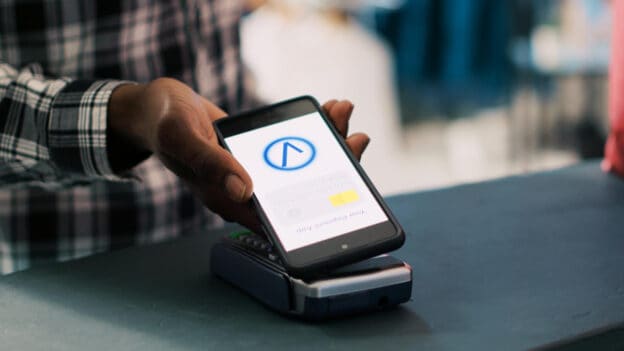
One of SumUp’s biggest strengths is its hardware. The company offers several card readers and POS devices to suit businesses of all sizes and needs. The entry level is the SumUp Air, a compact reader that connects via Bluetooth to an app on your smartphone. It’s cheap, portable and perfect for freelancers or micro-merchants who process payments occasionally but want professional tools.
For those who need more autonomy, the SumUp Solo is a standalone device with a touchscreen, Wi-Fi and SIM card support for mobile connectivity. This means you can take payments without needing a separate smartphone. Businesses with high footfall, like cafés and small shops, tend to prefer this option.
SumUp also offers POS kits with cash drawers, receipt printers and stands so they are more suitable for traditional retail environments. These solutions position the company not just as a provider of mobile card readers but as a competitor in the POS market for smaller retailers.
The hardware is generally well-regarded for its sleek design, ease of setup, and reliability. Battery life is strong, and the devices are compatible with most modern cards and wallets. However, compared to competitors, customization options are limited, and advanced features; like inventory management or loyalty programs, require additional software.
Overall, SumUp’s hardware is practical and effective for its target audience. It offers a clean, minimalist design and sufficient functionality for basic to moderate business needs, without overwhelming users with unnecessary complexity.
Software Solutions and Mobile App Experience
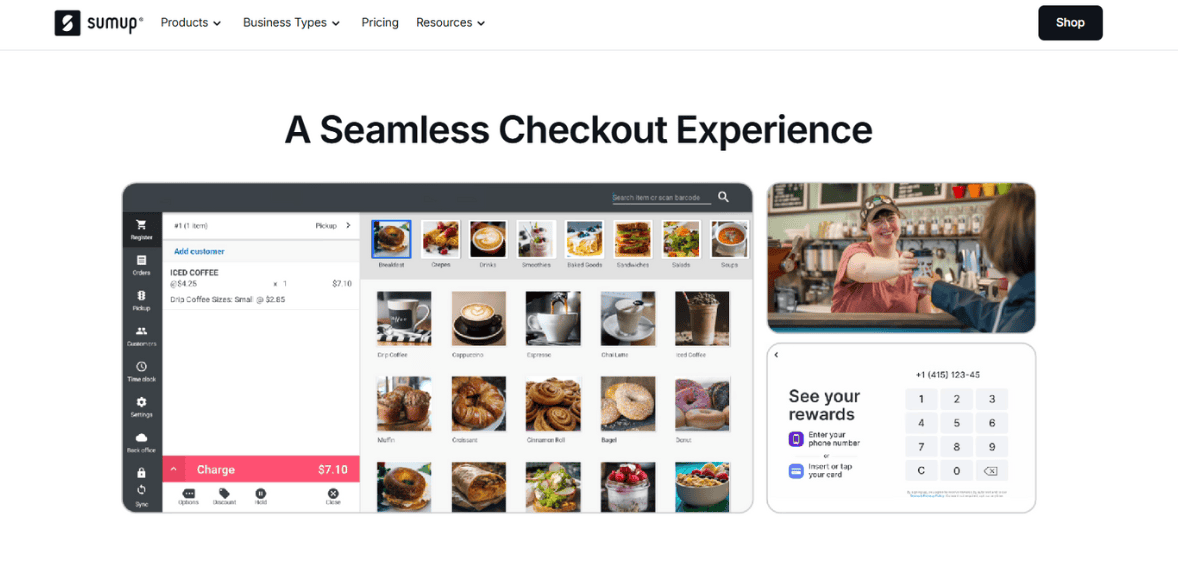
The SumUp mobile app is the core of the platform. Simple and easy to use, it allows you to process transactions, issue refunds, view sales reports and manage products. The interface is clean with big buttons and simple menus so even non techy users can use it.
One of the best features of the app is the ability to send digital receipts instantly via SMS or email, no more paper receipts and a modern experience for your customers. Inventory management is included but basic compared to specialized POS software. You can add products with descriptions and prices to make checkout faster and more consistent.
The reporting features give you insights into sales volume, transaction history and customer payment methods. Useful for day to day management but advanced analytics is not included which might be a limitation for data driven businesses. On both iOS and Android, the app receives positive reviews for stability and reliability. It connects seamlessly with SumUp hardware, reducing setup time and technical frustrations. Offline functionality, however, is limited, meaning businesses must maintain a reliable internet connection to avoid disruptions.
In essence, the SumUp app succeeds in delivering a clean, accessible experience that meets the needs of small businesses. While it lacks the depth and customization of more complex POS software, it strikes a balance between usability and functionality, aligning well with SumUp’s focus on simplicity.
Online Payment Features
Beyond in-person payments, SumUp has expanded into online transactions, recognizing the growing importance of digital commerce. Businesses can generate payment links that allow customers to pay securely through a webpage, making it convenient to collect money remotely. These links can be sent via email, text message, or social media, providing flexibility for both merchants and customers.
QR code payments are another feature that bridges the gap between physical and digital commerce. A merchant can generate a QR code for a transaction, and customers can complete the payment using their smartphone, reducing friction at checkout.
For businesses looking to establish a digital storefront, SumUp offers a lightweight online store builder. This tool allows merchants to create product listings and accept payments without building a complex website or integrating with external e-commerce platforms. While simple, it can be effective for businesses just starting out with online sales.
Invoicing tools also support small businesses that need to bill clients for services. Invoices can be sent electronically, and payments are tracked within the SumUp ecosystem. This reduces the need for third-party invoicing software.
The main drawback of SumUp’s online payment features is their simplicity. They are excellent for basic use cases but may fall short for merchants needing extensive e-commerce integrations, advanced inventory management, or complex shipping options. Competitors like Shopify or Square often provide deeper capabilities. Nonetheless, SumUp’s online tools are valuable additions that extend its usefulness beyond face-to-face payments, making it a versatile option for small business owners adapting to digital commerce.
Pricing and Transaction Fees
Pricing is one of SumUp’s biggest strengths, especially for small businesses that cannot afford high monthly fees. The company operates primarily on a pay-as-you-go model, with no fixed subscription costs for most services. Instead, it charges a flat fee per transaction, typically around 1.69%–2.75% depending on the country and card type. This transparent structure allows businesses to predict costs easily.
Hardware costs are also relatively low. Entry-level devices are priced affordably, with occasional promotions making them even more accessible. The one-time cost model ensures businesses are not locked into expensive equipment leases.
For businesses with fluctuating sales volumes, this fee structure can be ideal. They pay only when they process payments, avoiding the burden of monthly minimums. However, high-volume businesses may find SumUp less cost-effective compared to providers that offer lower transaction rates in exchange for monthly fees or custom contracts.
Other costs include fees for certain advanced services, such as chargebacks or optional add-ons. While still competitive, these extras can add up for businesses with specific needs. Additionally, bank deposit times can vary, with instant payouts sometimes incurring additional charges. Overall, SumUp’s pricing strategy aligns with its mission to support small merchants. It favors transparency and predictability over complex tiered systems, which is appealing for businesses that value simplicity. While not always the cheapest option for high-volume merchants, it remains one of the most accessible solutions for those just starting with card acceptance.
Security and Compliance
Security is a critical factor in payment processing, and SumUp takes steps to ensure both merchants and customers are protected. The company complies with PCI DSS, which governs the secure handling of cardholder information. Its devices are certified for EMV transactions, ensuring chip cards are processed securely, and they support end-to-end encryption.
Fraud protection measures are integrated into the system, with monitoring in place to detect suspicious activity. SumUp also provides chargeback management tools, though merchants still bear responsibility for disputed transactions, as is common in the industry.
In addition to technical safeguards, SumUp adheres to regulatory requirements in the markets where it operates. For example, it is authorized by the Financial Conduct Authority in the UK and equivalent bodies in other regions. This oversight provides reassurance to merchants that they are working with a legitimate, regulated entity.
From a customer perspective, SumUp transactions are as secure as those processed by larger payment networks. Contactless payments and mobile wallets add additional layers of security, including biometric authentication. While SumUp covers the essentials, its security features are not significantly more advanced than competitors. For businesses requiring highly customizable fraud detection or integration with enterprise security systems, the offering may feel limited.
Nonetheless, for small to medium-sized businesses, SumUp’s security and compliance measures are robust, reliable, and aligned with industry standards, offering peace of mind without complicating the user experience.
Customer Support and Service Quality
Customer support is often a decisive factor for small businesses, and SumUp’s performance in this area is mixed. The company provides multiple support channels, including email, phone, and an online help center with FAQs and guides. For many common issues, the self-service resources are sufficient, covering setup, troubleshooting, and account management.
Phone support is available in several markets, though hours of operation may be limited compared to competitors with 24/7 coverage. Response times are generally acceptable, but user reviews suggest variability; some report quick resolutions, while others express frustration with delays. The company has also invested in online resources, including community forums and tutorials, which can reduce reliance on direct support. However, the quality of assistance depends heavily on the complexity of the issue. More advanced technical or account-specific concerns sometimes require persistence to resolve.
Compared to larger competitors, SumUp’s customer support lacks the depth of dedicated account managers or premium service tiers. This is understandable, given its focus on affordability, but it may leave some businesses wanting more personalized guidance.
Overall, SumUp’s support is functional and accessible for standard inquiries, but may not always meet the expectations of businesses with complex needs. For its target audience; smaller merchants looking for straightforward tools; the support offering is generally adequate, though there remains room for improvement in consistency and responsiveness.
Ease of Use and Setup
Ease of use is one of SumUp’s strongest qualities. The onboarding process is designed to be as frictionless as possible. Merchants can sign up online, receive their device quickly, and begin accepting payments within minutes of setup. The devices pair easily with smartphones or work independently, depending on the model chosen.
The installation steps are straightforward, often involving little more than downloading the mobile app, connecting the card reader, and completing a test transaction. For business owners who may not be technologically inclined, this simplicity is a significant advantage. The interface of both the devices and the app reinforces this approach. Clean menus, large icons, and guided prompts reduce confusion, ensuring that transactions are processed smoothly. Unlike more complex POS systems that require training, SumUp can be learned by most users almost instantly.
Another aspect that contributes to ease of use is portability. The hardware is lightweight and wireless, making it suitable for mobile businesses such as food trucks, market stalls, or delivery services. The only notable limitation is in customization. Businesses that want to tailor workflows, integrate with complex systems, or build custom reports may find the simplicity restrictive. However, for the core goal; accepting payments quickly and efficiently; SumUp’s ease of use is difficult to rival.
Integrations and Compatibility
SumUp offers limited but useful integrations with third-party platforms. It can connect to popular e-commerce platforms, accounting tools, and some business management systems, enabling smoother workflows. For example, merchants can sync transactions with accounting software to simplify bookkeeping.
However, compared to competitors like Square or Shopify, SumUp’s integration ecosystem is narrower. Advanced features such as automated marketing, loyalty programs, or deep CRM connectivity are not as fully developed. This reflects the company’s target audience; smaller merchants who prioritize core payment functionality over complex integrations.
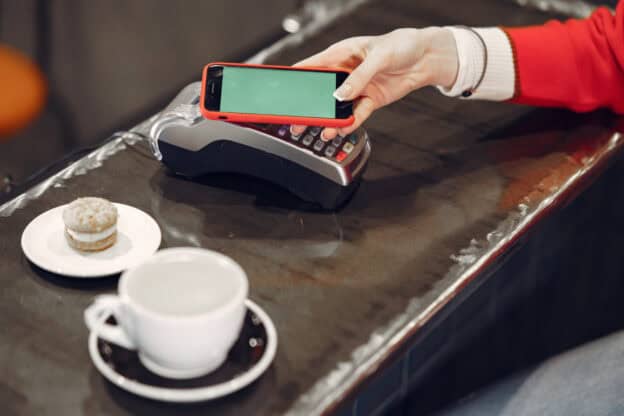
Hardware compatibility is strong. The devices support all major credit and debit cards, as well as digital wallets like Apple Pay and Google Pay. The app works reliably on both iOS and Android devices, ensuring flexibility regardless of a merchant’s preferred mobile platform. SumUp has also taken steps to expand compatibility with online payment systems, including links, QR codes, and lightweight online stores. These provide versatility for businesses that operate across physical and digital channels.
That said, businesses looking for seamless integration with enterprise systems may need to look elsewhere. SumUp’s focus is not on advanced customization but rather on providing reliable, essential tools that work well out of the box. For its intended audience, this approach is usually sufficient, but it limits scalability for larger operations.